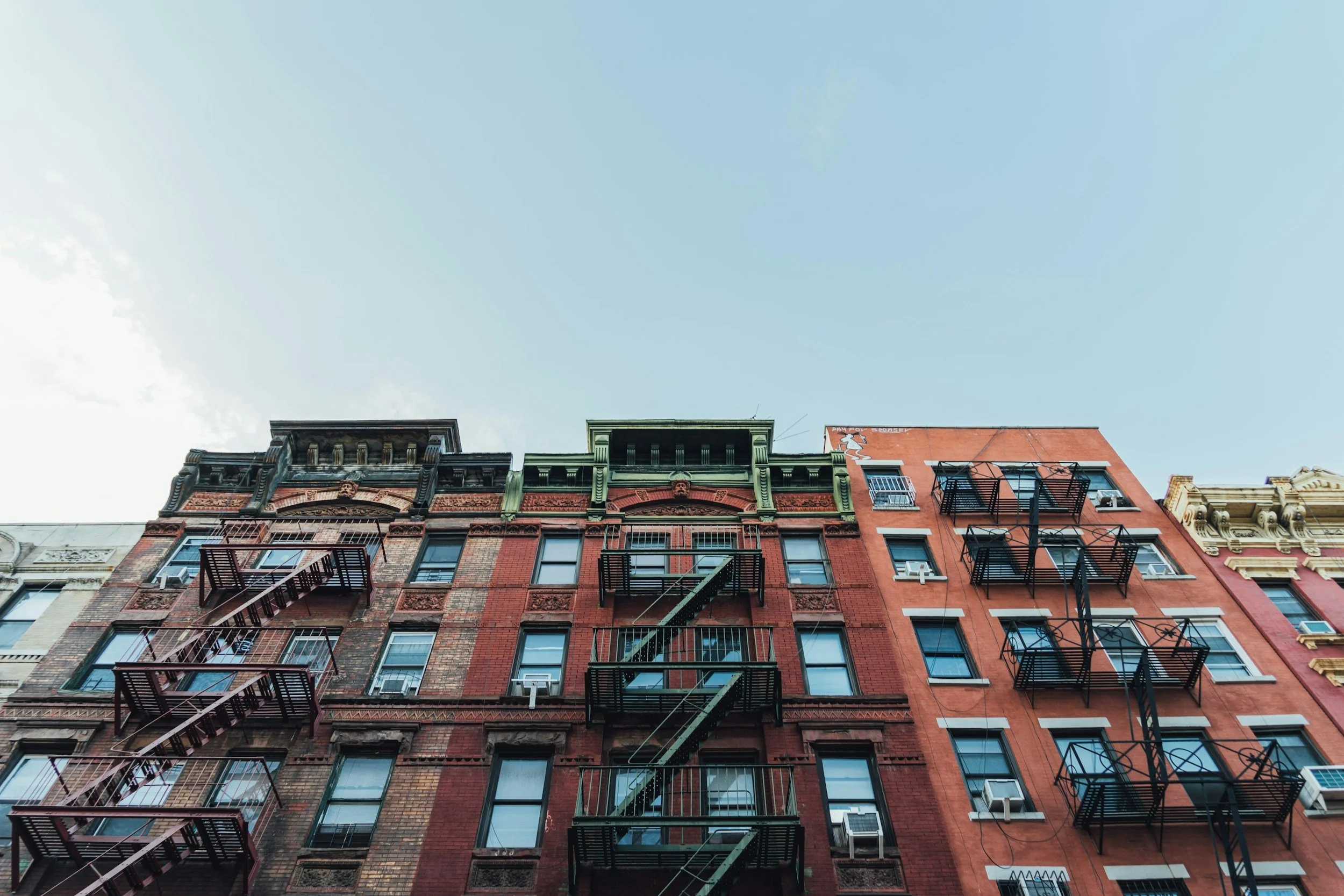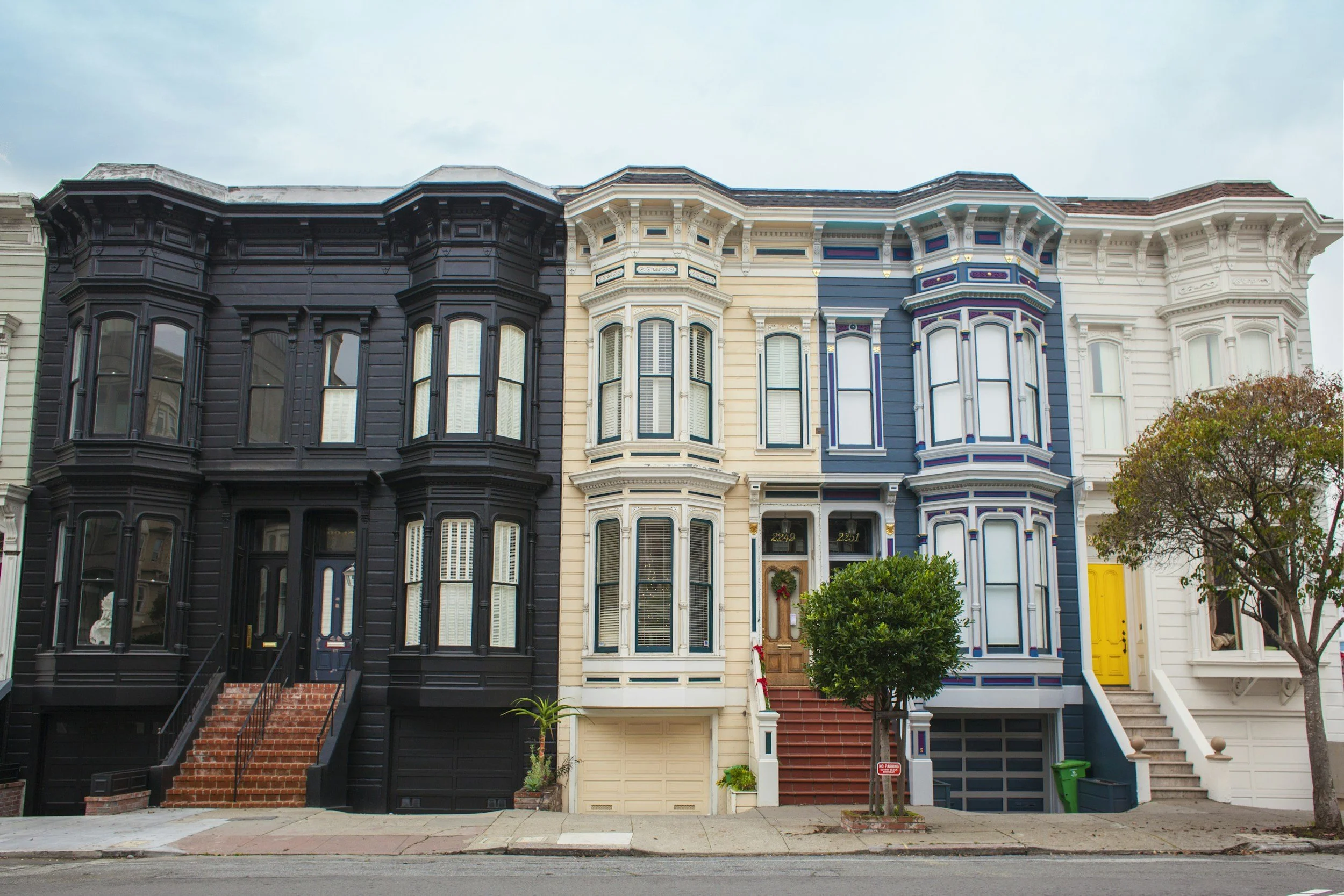
I've lived and worked in New York since 2009. I've watched neighborhoods transform — some for better, some for worse, most for complicated. But there's something happening right now that's different from the gentrification cycles I've observed before, and I think it deserves a name.
I'm calling it the Sub-Borough effect. And it's reshaping where smart people choose to live in this city.
The Sub-Borough is a New York neighborhood that has become functionally indistinguishable from a suburban commercial corridor. The coffee is from a venture-backed chain. The workout is at a franchise studio. The pharmacy is a CVS. The grocery is a Whole Foods or a Trader Joe's. The restaurants are outposts of concepts that exist in fourteen other cities. The storefronts that used to tell you exactly where you were — the specific diner, the family-owned dry cleaner, the corner bodega that knew your order — have been replaced by branded experiences that could exist anywhere.
You know where you are not because of what's on the block. You know where you are because of the buildings behind the storefronts.
The Data Behind the Feeling
What's Actually Happening on the Ground
This isn't nostalgia talking. The numbers tell a specific story.
The vacancy data is the part most people don't talk about when they discuss chain expansion. In many Manhattan neighborhoods — the Upper East Side, the Upper West Side, Harlem — 80 to 90 percent of storefronts that were vacant at the start of 2026 had already been sitting empty for at least nine months. Commercial rents remained elevated even as foot traffic patterns shifted post-pandemic. Independent operators couldn't afford to take the risk. Chains could.
That's not a conspiracy. That's just economics. A venture-backed coffee concept with $25 million in Series A funding can sign a lease that a family-owned café cannot. And so block by block, the texture of certain neighborhoods changes — not through malice, but through math.
"To me, the streetscape of New York City is what sells New York City. To make a city of chain stores would not be inviting for residents or visitors."
— Gale Brewer, Manhattan Borough PresidentThe Real Estate Read
Why This Matters if You're Choosing Where to Live
Here's where this becomes a real estate conversation rather than a cultural one.
The neighborhoods that have fully tipped into Sub-Borough status — significant portions of the Upper East Side, parts of the Upper West Side, certain corridors of Williamsburg — have traded their specific identity for convenience and legibility. Everything is familiar. Everything is predictable. Everything is fine.
But fine is not what people pay a premium to live in New York for. People pay a premium to live somewhere specific. To walk out of their building and be somewhere that feels like nowhere else in the world.
The neighborhoods that still have that quality — Gowanus, Carroll Gardens, parts of Bed-Stuy, Cobble Hill, Ditmas Park, certain corridors of Harlem — are the ones where the independent operator is still the dominant commercial presence. The restaurant that exists only on that block. The coffee shop where the owner is also the barista. The corner store where somebody knows your name.
That specificity is not just culturally valuable. It is financially valuable. The research on neighborhood character and property values consistently shows that the presence of independent, locally-specific retail correlates with stronger long-term residential appreciation than chain-dominated corridors. Chains signal corporate confidence in a location's foot traffic. Independent operators signal genuine community investment — which is the more durable of the two.
The Nuance
It's More Complicated Than Chains Bad, Independents Good
The honest version of this story requires acknowledging something the simple narrative leaves out: in many NYC neighborhoods, the vacant storefront is the actual enemy — not the chain that fills it.
The NYC Comptroller's data shows that 80 to 90 percent of storefronts vacant in many Manhattan neighborhoods at the start of 2026 had already been empty for nine months or more. A Blank Street or a Barry's filling a storefront that's been dark for two years is genuinely better for a block's vitality than continued vacancy. The foot traffic, the lighting, the sense of activity — these matter for the entire corridor.
The problem isn't specifically chains. The problem is what happens when chains become the only option — when commercial rents have risen past the point where any independent operator can compete, and the only entities that can afford the space are the ones with institutional capital behind them. That's the tipping point. And certain NYC neighborhoods have already crossed it.
The city's own data offers a small but meaningful counterpoint: 84 percent of storefronts occupied by a small business in early 2020 were either still operating or had been replaced by another small business by 2026. Chain expansion is real. It is not a complete takeover. The independent operator is more resilient than the narrative suggests. But they're operating in a harder environment than they were a decade ago — and the blocks where they've been squeezed out tell a visible story to anyone paying attention.
The Gowanus Case Study
Why the Neighborhood Matters as Much as the Apartment
I work in Gowanus every day. It is not a Sub-Borough. Not yet. The independent operator still dominates the commercial corridors — the restaurants, the coffee spots, the bars, the creative businesses that moved here when the rents made the risk worthwhile. The character of the neighborhood is still specific to Gowanus in a way that can't be replicated anywhere else.
That specificity is at risk. The Gowanus rezoning, the new development pipeline, the IBX transit investment — all of these are catalysts that attract exactly the kind of commercial capital that historically accelerates Sub-Borough drift. The same dynamic that transformed certain Williamsburg corridors from genuinely distinctive to comfortably legible is available to happen here.
Whether it does depends on what gets built, who moves in, and whether the commercial real estate market allows independent operators to survive alongside the new residential density. Those are not settled questions. They are the questions that determine whether Gowanus in 2030 still feels like Gowanus — or feels like a version of everywhere else that happens to have a canal.
For anyone choosing where to live in Brooklyn right now, this is not an abstract cultural concern. It's a practical one. The neighborhood you move into today is not necessarily the neighborhood you'll be living in in five years. Understanding which direction a corridor is heading — toward specificity or toward legibility — is as important as understanding the floor plan of the apartment.
That's the intelligence that doesn't show up on StreetEasy.