There's a word that used to belong exclusively to a very specific kind of person. The kind who spent weekends in a basement with a soldering iron, swapping out capacitors in vintage amplifiers or fitting aftermarket suspension on a car they'd never take to a track. That word was modder. And the culture around it — modding — was understood to be niche, technical, and slightly obsessive in a way that most people found admirable but alien.
That word doesn't belong to that person anymore.
In 2026 modding has gone mainstream — not because the mainstream discovered the basement hobbyist, but because the products themselves started inviting it. Headphone companies shipping interchangeable driver units. Laptop manufacturers building around modular components that users can swap, upgrade, and replace without voiding a warranty. Furniture brands designing pieces explicitly intended to be reconfigured, extended, and rebuilt over time. The object as a starting point rather than a finished statement.
The question worth asking is whether this is a trend cycle that peaks and passes — or whether something more structural is happening in the relationship between people and the things they own.
I think it's structural. Here's why.
What's Actually Happening
The Modding Movement Across Categories
The Why
Three Shifts Driving the Mod Era
Modding didn't go mainstream because people suddenly became more technically capable. It went mainstream because three things shifted simultaneously — and their combination created conditions where the impulse to customize became culturally normal rather than culturally marginal.
The first shift is anti-disposability. The generation that grew up watching fast fashion implode under its own environmental weight, that watched cheap electronics end up in toxic landfills, that watched the subscription economy turn ownership into a monthly fee — that generation developed a strong instinct against the disposable object. Consumers no longer want disposable tech. They want products that evolve with them. The modded object is the anti-disposable object by definition. You don't throw it away. You rebuild it.
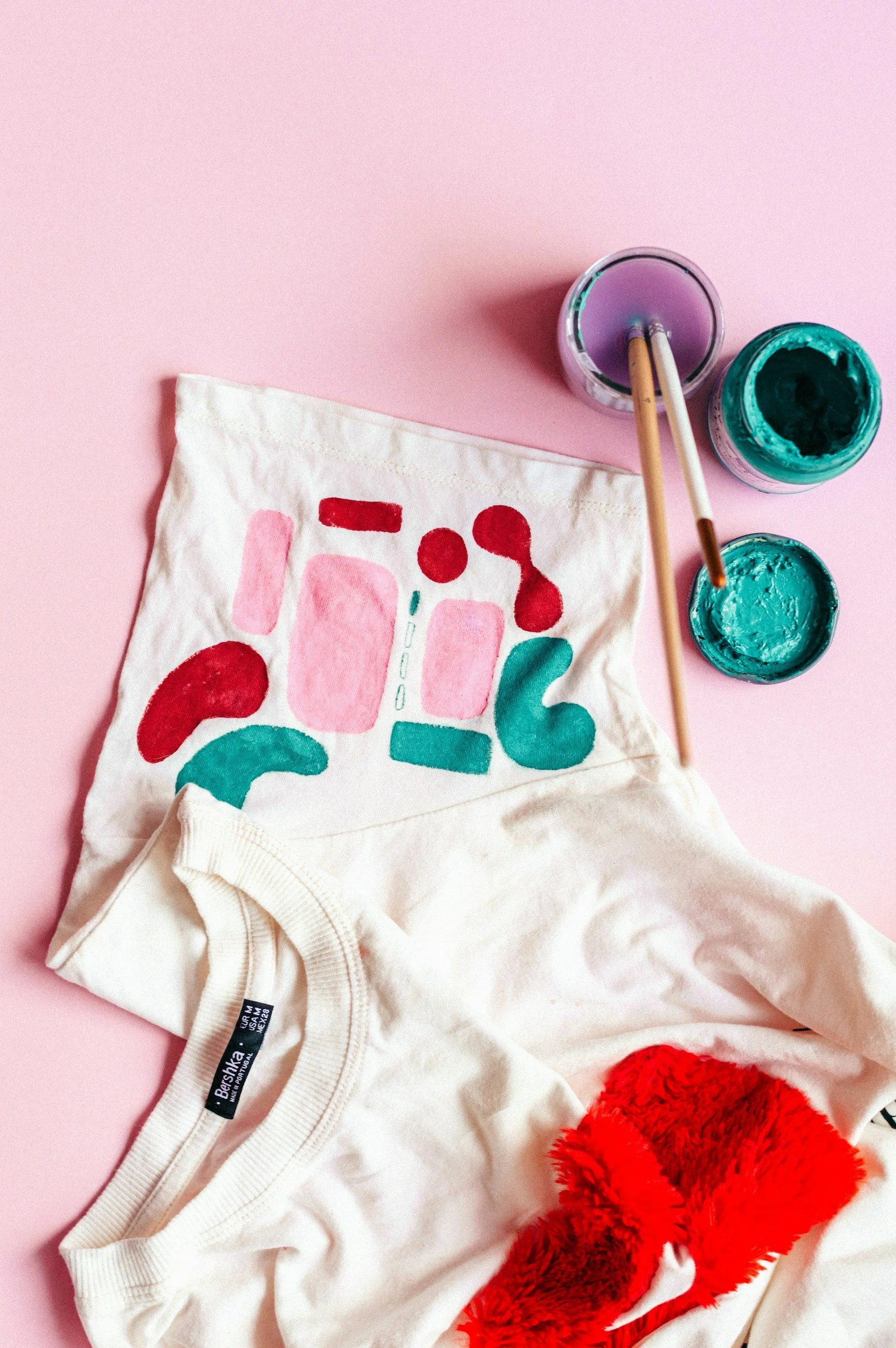
The second shift is identity through specificity. Mass production created a world where everyone has the same thing. The algorithmic feed created a world where everyone sees the same thing. The modded object — the headphones with the custom earpads, the laptop with the hand-selected port modules, the jacket with the painted back panel — is a specific object that exists nowhere else. Instead of having the same headphones as everyone else, you can create a design that reflects your personality and preferences. Specificity has become a form of luxury in a world of identical objects.
The third shift is tool accessibility. CNC machines and 3D printers have reached price points and software accessibility that put professional fabrication capability into the hands of any curious creator who loves to experiment. The equipment that once required a professional workshop now fits in a spare bedroom. The skills that once required years of apprenticeship are now taught in YouTube videos with millions of views. The barrier between having an idea and making it physical has never been lower.
Is It Permanent
Why This Isn't Going Away
Every design trend generates the same skeptical question: is this a cycle or a shift? Cycles peak and recede — the object of obsession changes but the underlying behavior returns to baseline. Shifts change the baseline itself.
The modding movement has the characteristics of a shift rather than a cycle for one specific reason: modular technology trends in 2026 reflect a structural change in the relationship between people and the tech they own — longevity through adaptability, value decoupled from brand ecosystems, and collaborative innovation where third-party module makers fuel niche specializations. These aren't aesthetic preferences that change with the season. They're values — anti-waste, anti-sameness, pro-ownership — that once adopted tend to stick.
The DIY population is also self-reinforcing in a way that pure trend cycles aren't. Someone who learns to customize their headphones develops skills and confidence that transfer to furniture, to apparel, to electronics. The modder accumulates capability over time. They don't return to passive consumption — they go deeper. The community around modding generates content, tutorials, and shared knowledge that lowers the barrier for the next person. The ecosystem compounds.
"Modern PC design is no longer about assembling parts. It's about orchestrating an intelligent system that adapts to the user. The journey is as valuable as the destination."
The EKNY Angle
What This Means for How We Think About Objects
The mod era has a specific implication for how we think about the objects around us — in our homes, in our wardrobes, in our workspaces. The question is no longer just "what does this look like" or "what does this cost." The question is "what can this become."
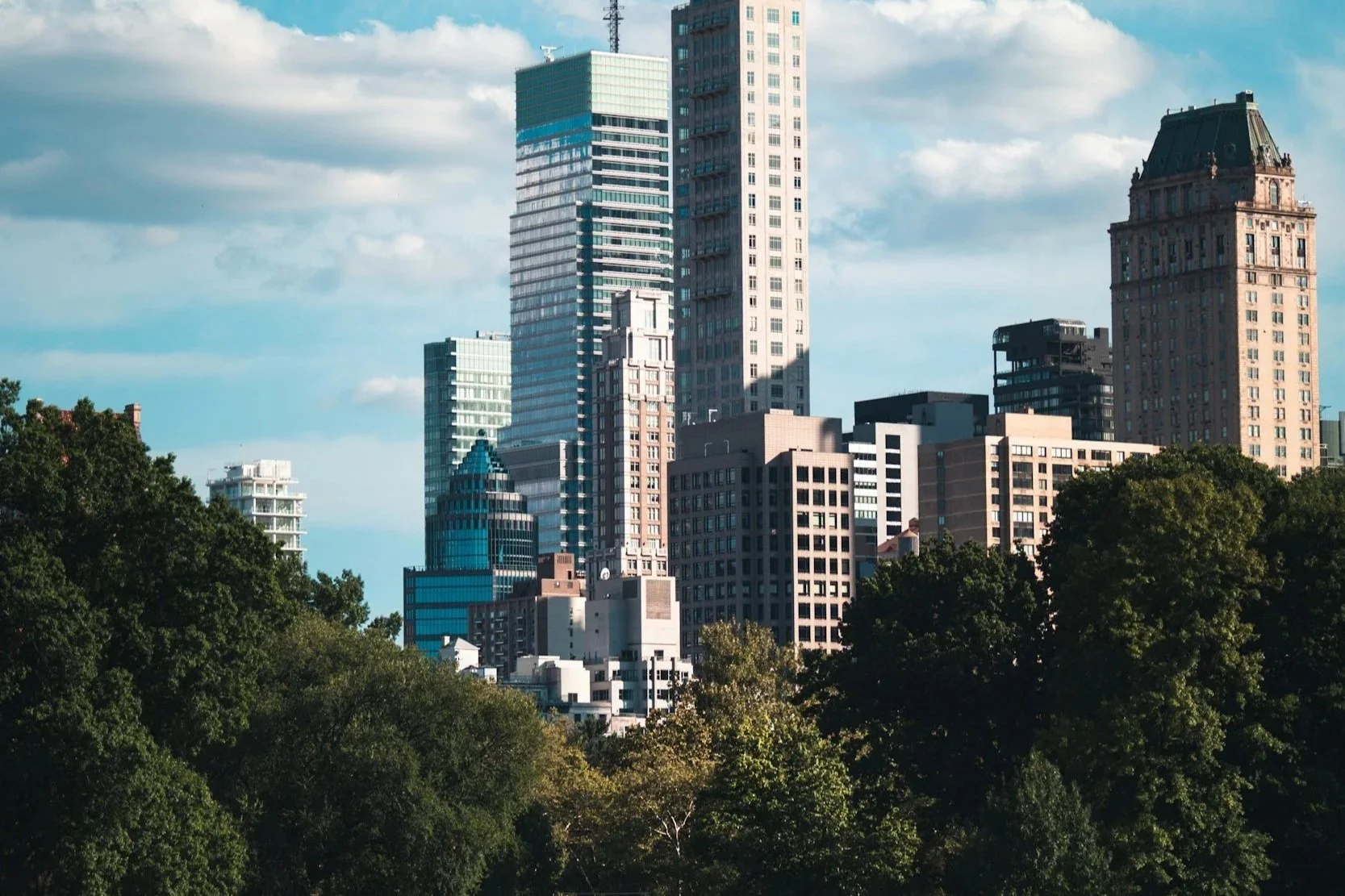
An apartment in a luxury new development is not a finished object. It's a starting point. The person who understands that — who thinks about the space as something to be layered, modified, and made specific over time — lives differently in it than the person who treats it as a product delivered complete at move-in. The mod era sensibility applied to how you inhabit a space produces a home that feels genuinely yours rather than a showroom that happens to have your furniture in it.
The same logic applies to the wardrobe, the workspace, the objects on the desk. The modded headphones. The custom PC. The hand painted vintage tie. The furniture reconfigured for the third time because your life changed and the space needed to change with it.
Objects that can be modified are objects you form a relationship with over time. That relationship is what the mod era is actually about — not the technical skill or the aesthetic outcome, but the deeper engagement with the physical world that customization requires and rewards.
That's not a trend. That's a different way of being in the world. And it's not going anywhere.