Enter
Knowing.
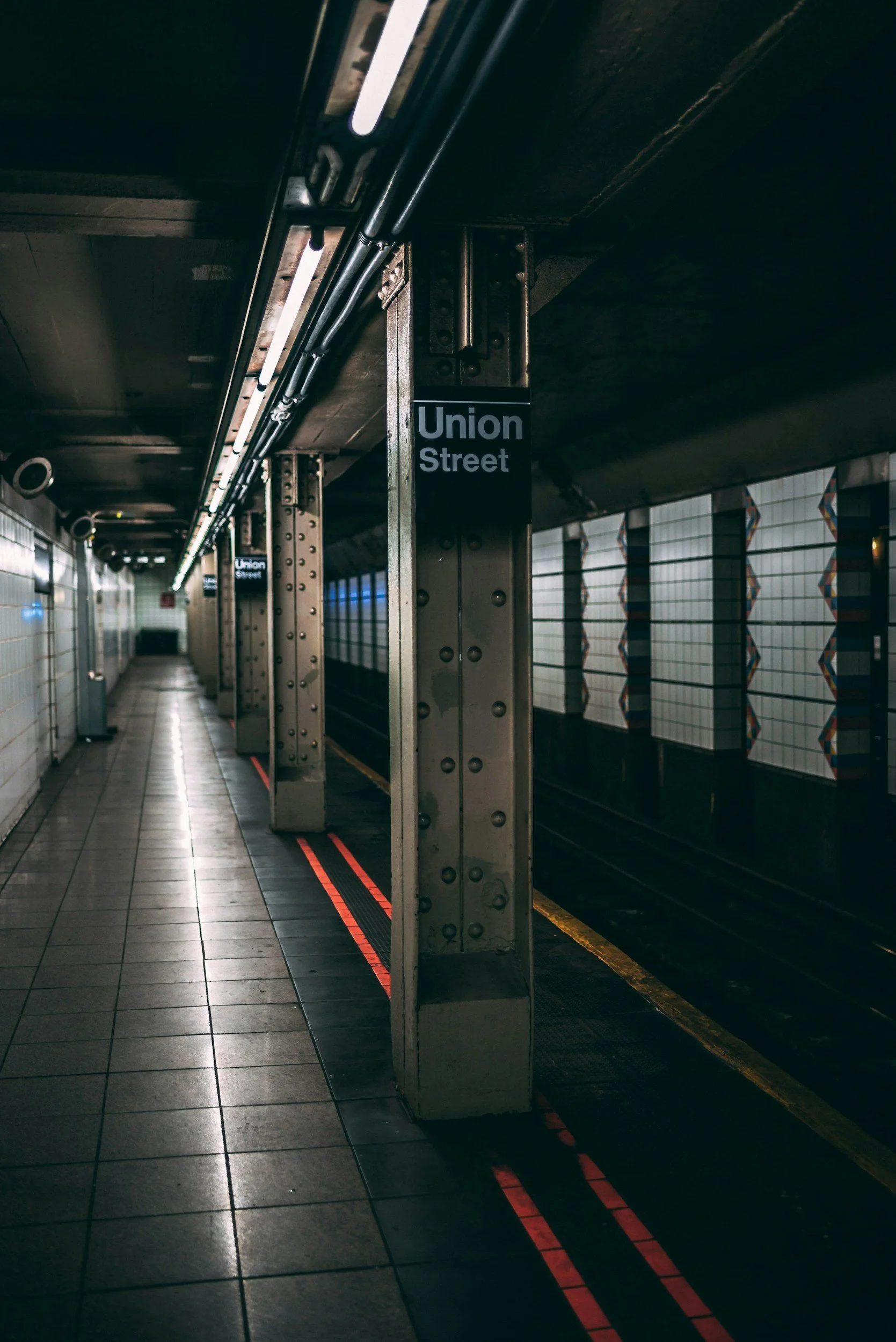
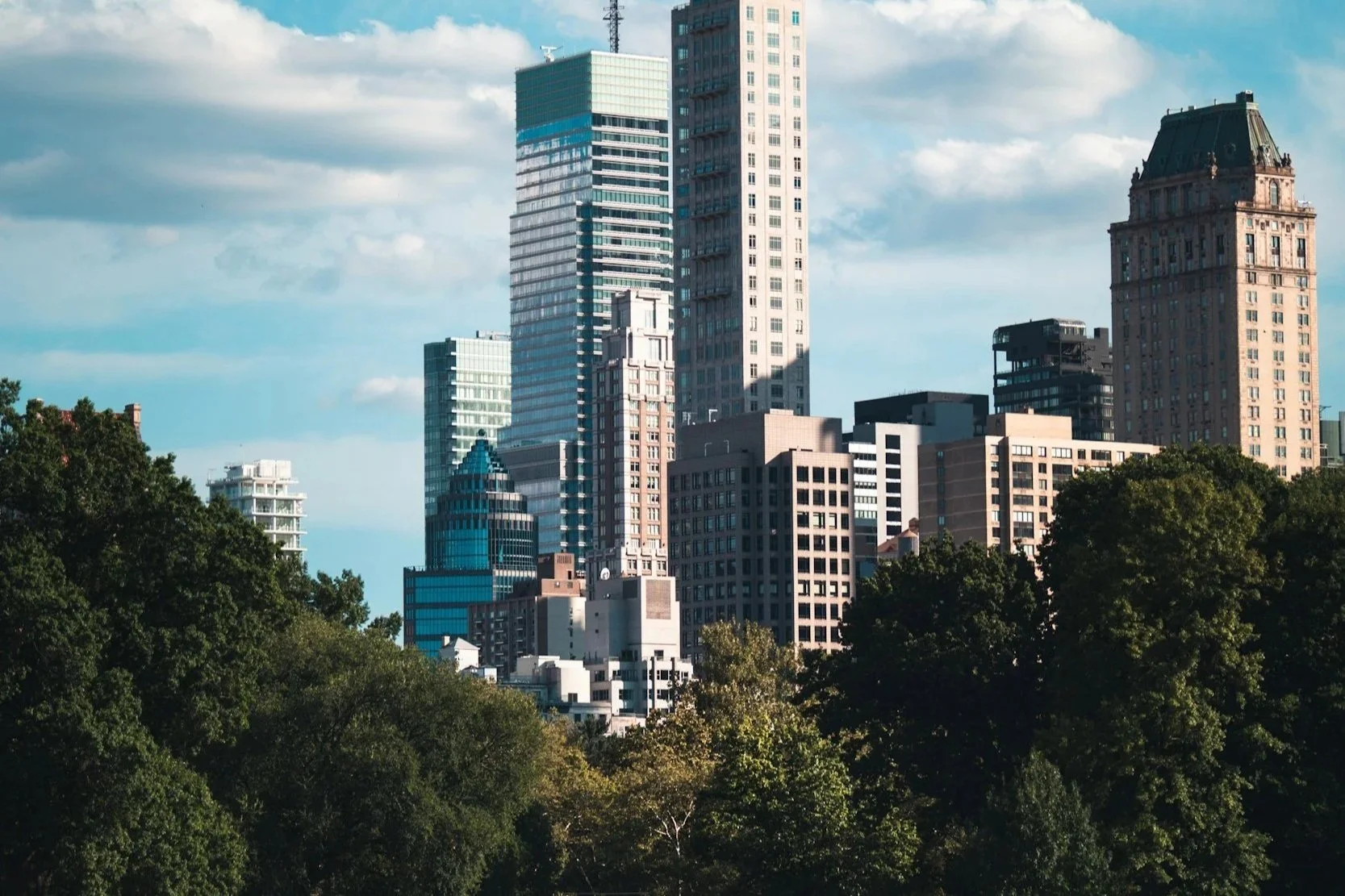
New York doesn't care why you came. It only cares what you do once you're here. Arrive with a laptop and an ambition and the city will put you to work immediately — not in the way you planned, but in the way it decides you're ready for. Fifteen years later, that relationship still holds. The city tests. You either rise to it or you don't.
The work began in digital advertising — big agencies, bigger budgets, the machinery of how brands communicate at scale. Warby Parker. Google. Draft FCB. McGarry Bowen Dentsu. DDB. Berlin Cameron. Eight years of learning how attention works, how audiences think, how the gap between what a product is and what it feels like is where all the real value lives. That education didn't end when the agency chapter did. It just found a new application.
Real estate was the next city. Same principles, different product. The gap between what a building is on paper and what it feels like to live there — that's where an agent either earns their client's trust or loses it permanently. Most never learn to close that gap. The ones who do don't just sell apartments. They sell clarity.
The new development lease-up is one of the most demanding environments in real estate. There is no tenant history to reference. No comparable unit to show. No word of mouth. Just an empty building, a deadline, and a market that will tell you immediately whether the product is priced for the people who actually live in the neighborhood — or for the people the developer wished lived there.
Closing consistently at asking price in that environment — across two luxury new developments in Gowanus, one of Brooklyn's most actively transforming corridors — is not a number that happens by accident. It happens through market knowledge that goes deeper than the listing, through communication that meets clients where they actually are, and through a refusal to treat the transaction as the point. The relationship is the point. The transaction is just the evidence of it.
The gap between what a building is on paper and what it feels like to live there — that's where an agent either earns their client's trust or loses it permanently.
The future is new development. The future is data. The future is content that serves its audience instead of marketing at them. And the future, as it turns out, is exactly what this has been building toward since 2009 — when none of that was obvious, and the only thing that was clear was that New York had something to teach and the work was to pay attention.
Fifteen years in. Still paying attention.
Welcome to Agent of the Future. Enter knowing. 🖤