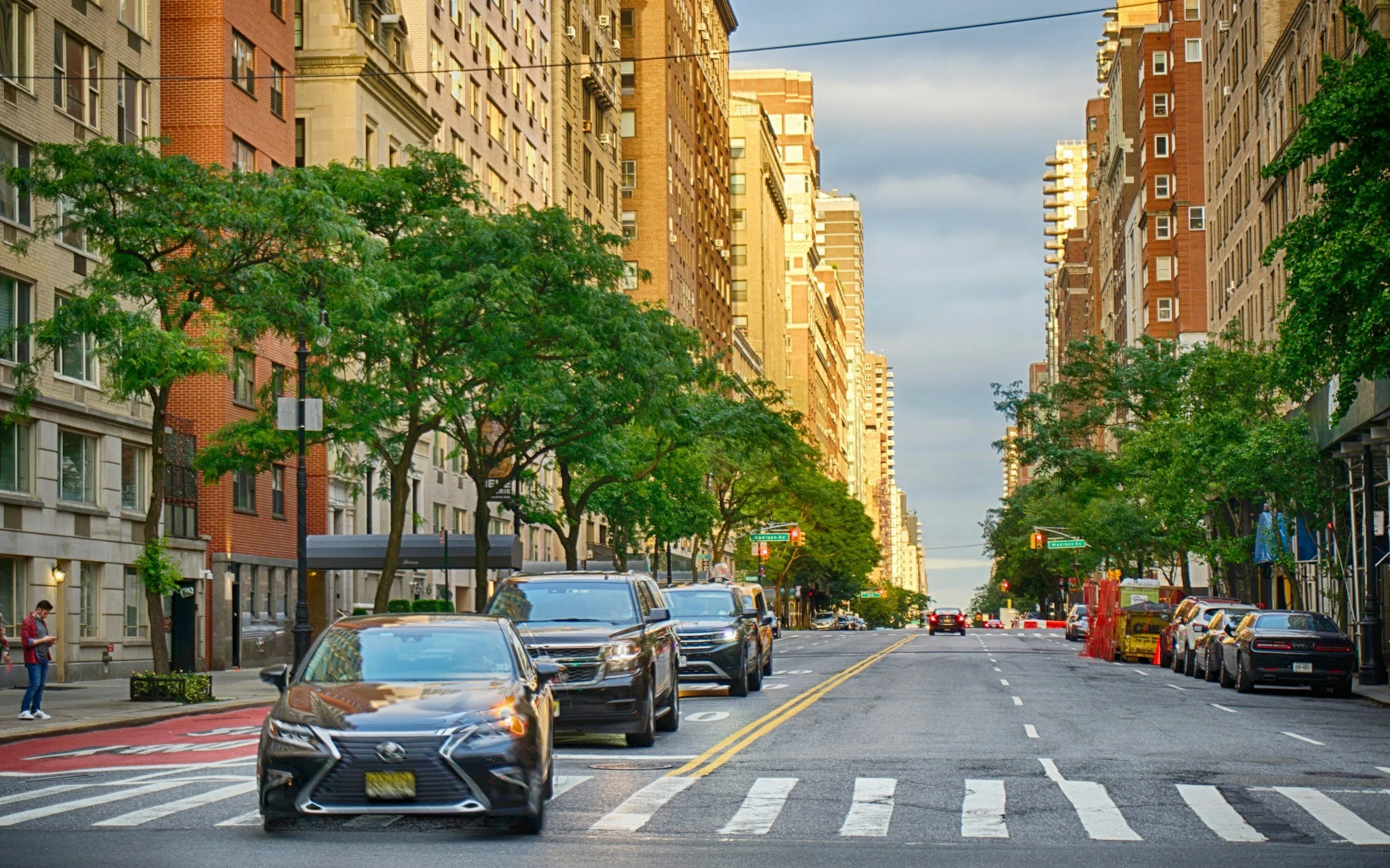
A friend called recently — one of those conversations where the first thing out of their mouth was "you're not going to believe where I ended up." They'd landed a sublet one block from Central Park on the Upper East Side. The kind of apartment situation that happens in New York when you stop forcing it and just let the city work.
The report they sent back was genuinely interesting. Not the tourist version of Upper Manhattan — the lived-in version. The morning runs, the local spots, the blocks nobody puts on their Instagram. The stuff that only surfaces when someone actually moves somewhere instead of visiting.
That's the EKNY WKND format. No hype. No paid placements. Just what a city actually looks like when someone you trust is living in it.
First Impressions
What Nobody Tells You About Living Near Central Park
The first morning dispatch came early — 7am, park entry, no agenda. Just the city before it fully woke up.
Central Park at that hour is one of the best things New York offers. Runners, dog walkers, the occasional cyclist, morning light coming through the trees at the north end where the tourist density drops off. The version of the city that reminds you why you pay what you pay to be here.
What surprised them most was how residential and quiet the surrounding blocks actually are. The Upper East Side at 105th has a different energy than the museum corridor at 80th or the density of Lexington Avenue further south. It's genuinely neighborhood-scaled. People know their neighbors. The bodegas are real bodegas. The morning run culture is serious and consistent.
"I've been walking past this part of the city for years. Turns out I had no idea what it actually was until someone I know moved there and started sending me the real report."
The Park
Central Park — The Asset Nobody Fully Accounts For
One block from Central Park isn't just a lifestyle amenity. It's a legitimate quality of life upgrade that compounds daily in ways you don't fully appreciate until you're actually living it.
Practical Luxury Picks
What's Actually Worth Your Time Up Here
These come directly from someone living in the neighborhood — not a travel guide, not a listicle, not sponsored content. The places that earned their spot through actual use:
The Real Estate Read
What Upper Manhattan Looks Like From an Agent's Eyes
Hard to be in any neighborhood without reading it as real estate. Old habit. Useful reflex.
Upper Manhattan — specifically the Carnegie Hill to Museum Mile corridor on Fifth and Park — is one of the most stable residential markets in the city. Pre-war co-op buildings dominate. Board approval processes are rigorous. Turnover is low. The buyers who end up here tend to stay.
The trade-off from a buyer's perspective: co-op board approval adds friction and timeline to any purchase. The buildings are exceptional — ceiling heights, pre-war details, full staff infrastructure — but the purchase process is materially different from a condo. That's the first conversation to have if you're considering this market seriously.
For renters — the sublet market in this corridor is quiet but real. Buildings that allow sublets give you access to pre-war product without the board process. That's the play if you want to experience the neighborhood before committing to a purchase.
The Bottom Line
Upper Manhattan is one of those parts of the city that most people have strong opinions about without ever actually spending time in it. The tourist version — Museum Mile, the Met, Central Park South — is real but it's not the neighborhood.
The neighborhood is quieter, more residential, and more surprising than the reputation suggests. The park access alone changes the daily calculus in ways that are hard to appreciate from the outside.
Worth a weekend. Worth a longer look if you're in the market. The EKNY WKND continues — the city is the content. More soon. 🖤