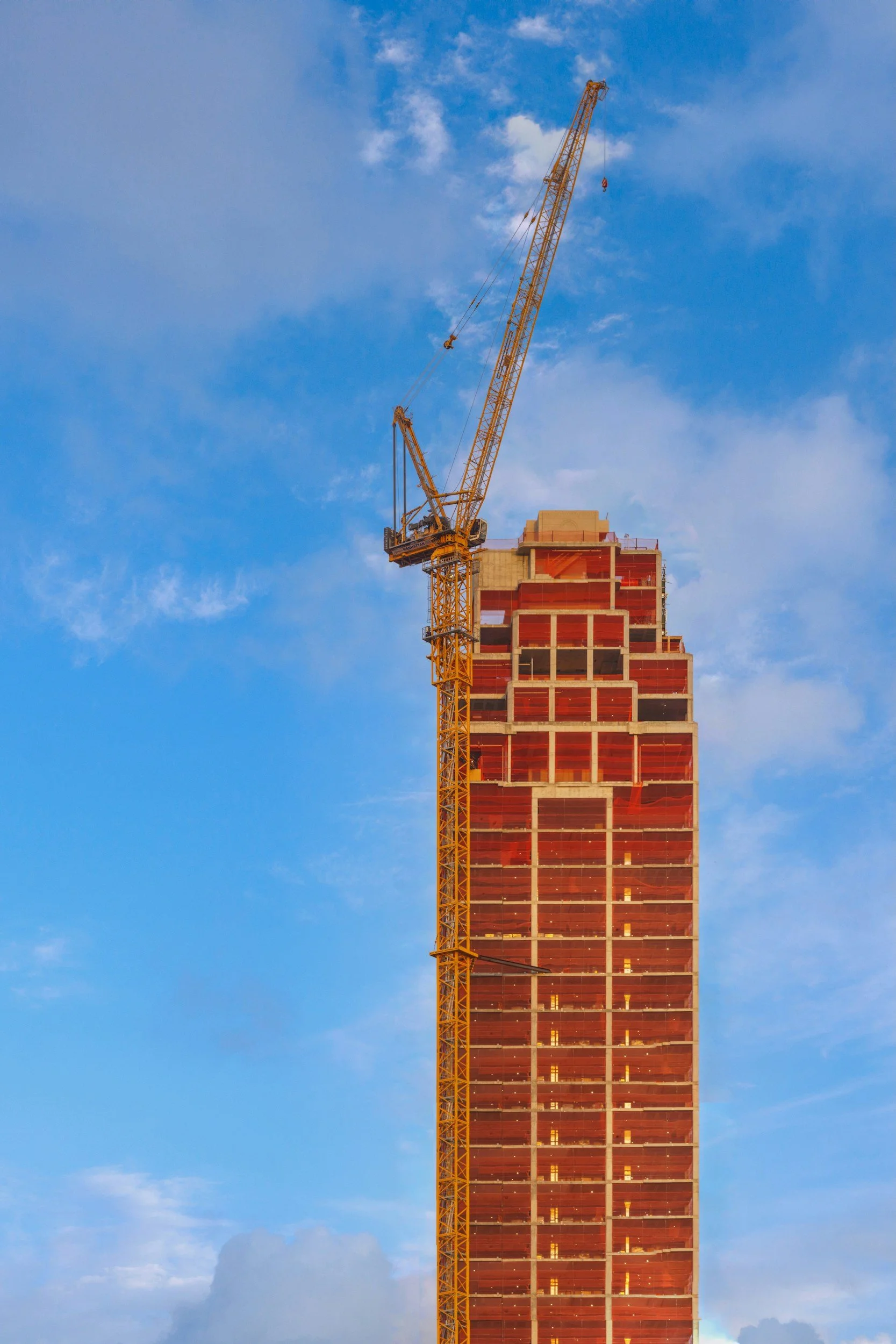
There's a specific kind of excitement that comes with being one of the first people to live in a brand new building. Nobody has used your appliances. Nobody has scuffed your floors. The lobby smells like fresh concrete and possibility.
And then move-in day happens and you realize — new construction comes with its own set of surprises that nobody put in the lease.
I've moved hundreds of people into a luxury new development in Gowanus. The questions I get in the first 30 days are almost always the same. Here's what I wish every resident knew before they signed.
New buildings are not finished when you move in. That's not a complaint — it's just construction reality. There will be minor items: a cabinet hinge that needs adjustment, a door that doesn't quite seal, a grout line that wasn't fully cleaned. This is normal and expected.
What most new residents don't know is that you have a window — usually 30 days — to submit a punch list of issues to management. After that window closes, items may be treated as resident damage rather than construction defects. Document everything on move-in day. Take photos. Submit the list in writing.
The rooftop. The coworking lounge. The pet spa. The golf simulator. They're in the brochure and they're in your lease — but they may not be ready when you move in.
New developments phase their amenity openings based on construction completion, certificate of occupancy timelines, and staffing. The gym might open two weeks after move-in. The rooftop might be another month. This is standard and legal — amenities are disclosed as part of the building, not guaranteed to be operational on a specific date.
Ask your leasing agent for an expected amenity opening timeline before you sign. A good agent will tell you honestly. A great building will put it in writing.
New construction settles. The materials — concrete, steel, drywall — are all responding to temperature changes, load distribution, and time. You will hear sounds in the first few months that you won't hear a year from now.
Pipes expanding and contracting. HVAC calibrating. The building literally finding its equilibrium. First-time new construction residents sometimes panic and submit maintenance requests for sounds that are completely normal structural behavior.
The rule of thumb: if you hear it once and it goes away, it's settling. If you hear it repeatedly at the same time or in the same place, report it. There's a difference between a building finding its footing and an actual mechanical issue.
This one catches almost everyone off guard. USPS, FedEx, UPS, and Amazon all need to update their systems to recognize a new building address. In the first weeks of a lease-up, carriers sometimes can't find the building, refuse deliveries, or route packages to the wrong location.
New buildings are also establishing their mail room operations — package lockers getting configured, staff learning the systems, carrier relationships being set up. It takes 30 to 60 days for the logistics to normalize.
In the meantime: use a work address or a trusted alternate for anything time-sensitive in your first month. File a USPS mail forwarding or address update immediately on move-in day. And introduce yourself to your front desk staff — they become your best ally when a package goes sideways.
Moving into a new construction building during lease-up means you're not moving into an established community — you're one of the people building it. The lobby is pristine but quiet. The hallways feel hotel-like. Your neighbors are strangers who all moved in around the same time.
This is temporary. Within three to six months the building develops its own personality — regular faces at the elevator, community events, an unspoken rhythm to the common spaces. But in the beginning it can feel impersonal in a way that older, more established buildings don't.
The residents who thrive in new construction are the ones who engage early. Introduce yourself. Attend building events. Give it time. The community catches up to the building faster than you'd expect.
"The residents who have the best experience in new construction aren't the ones who expect perfection. They're the ones who know what to expect — and come prepared."
The Bottom Line
New construction is genuinely one of the best rental options in New York right now — the product, the concessions, the amenities, the being-first energy of it. But it rewards residents who go in with clear eyes.
The punch list, the amenity timeline, the settling sounds, the mail chaos, the community building — none of it is a dealbreaker. It's just the reality of being early to something new. And being early, in New York real estate, is almost always the right call.